A comprehensive guide to Preserve breast augmentation, natural-looking implant planning, candidacy, recovery, safety and long-term expectations.

Preserve breast augmentation is a modern approach for selected patients who want natural-looking breast enhancement with careful tissue preservation and responsible implant planning. This guide explains what makes the technique different, who may be suitable and what international patients should know before surgery in Turkey.
What makes Preserve breast augmentation different?
Preserve breast augmentation is a modern breast enhancement concept designed around tissue preservation, controlled planning and a softer recovery experience for selected patients. Instead of treating breast augmentation as simply choosing an implant size, the Preserve approach focuses on how the implant pocket is created, how native breast structures are respected and how the result can look natural over time.
For Prof. Dr. Ufuk Bilkay, this fits a broader principle: breast surgery should be planned around anatomy, proportion and long-term safety. A beautiful result is not just larger volume. It is the right relationship between breast base, chest wall, skin envelope, nipple position, implant dimensions and the patient’s lifestyle.
Natural enhancement, not an overfilled look
Many international patients ask for breast augmentation in Turkey because they want a fuller breast shape but do not want the operated look associated with oversized implants. Preserve breast augmentation is especially relevant for patients who want a refined, natural-looking result and who have suitable tissue characteristics.
The goal is to enhance shape and projection while respecting the existing breast. This may mean choosing a moderate implant, carefully assessing the breast base width and avoiding a size that creates excessive tension. Bigger is not automatically better. An implant that overwhelms the tissues can increase visibility, rippling, discomfort, malposition and future revision risk.
How the Preserve concept works
Preserve is associated with a low-impact technique and specialised instrumentation designed to minimise disruption to native breast tissues. Manufacturer information from Motiva describes the concept as preserving breast anatomy and reducing tissue disruption when combined with appropriate Motiva implants and tools. These claims still need to be interpreted through proper surgical assessment, not marketing language alone.
In practice, the key question is not whether a technique sounds advanced. The question is whether it is appropriate for that patient. Skin thickness, breast volume, asymmetry, sagging, chest wall shape, previous surgery and implant goals all affect candidacy. Some patients may be better served by a conventional augmentation, a breast lift, fat transfer or a staged plan.
Who may be a good candidate?
Potential candidates are usually healthy adults who want moderate, natural breast enhancement and have enough tissue quality for the planned implant. They should understand implant choices, long-term follow-up and the possibility of future surgery. Patients with significant breast sagging may need a lift rather than augmentation alone.
The American Society of Plastic Surgeons notes that breast augmentation can increase fullness and projection, improve balance of breast and hip contours and may also be used in reconstruction. It also explains that augmentation alone does not correct severely drooping breasts; a breast lift may be required. This distinction is essential in Preserve planning too.
Implant safety and informed consent
Every breast implant operation requires informed consent. The U.S. FDA emphasises that breast implants are not lifetime devices and that patients may need additional surgery in the future. Possible risks include capsular contracture, rupture, infection, pain, changes in sensation, implant malposition, asymmetry, reoperation and rare implant-associated cancers or systemic symptoms reported by some patients.
This does not mean implants are inappropriate for everyone. It means the decision should be made clearly. Patients should know the implant type, size, surface, placement plan, incision, expected recovery, warning signs and follow-up needs. A modern technique does not remove the need for long-term responsibility.
Preserve breast augmentation consultation
Consultation starts with anatomy. Prof. Bilkay evaluates breast width, skin thickness, existing volume, nipple position, asymmetry, chest wall shape and the patient’s desired result. Photographs can help with preliminary planning for international patients, but final decisions require examination.
Patients should bring or share previous breast imaging when relevant, details of earlier breast surgery, pregnancy and breastfeeding history, family breast cancer history, medication use and smoking status. The consultation also reviews whether the patient wants a very subtle change, a clear but natural enhancement or correction of asymmetry.
Recovery after Preserve breast augmentation
Recovery varies according to anatomy, implant choice, surgical technique and individual healing. Many patients feel tightness, swelling and pressure in the first days. Movement is gradually increased according to instructions. Heavy lifting, intense exercise and sleeping positions are restricted during early healing.
Some patients may experience a smoother early recovery when tissue disruption is limited, but recovery should never be oversold. Swelling, sensitivity changes, temporary asymmetry and firmness can still occur. Final breast shape settles over weeks to months as tissues adapt.
Travelling to Turkey for breast augmentation
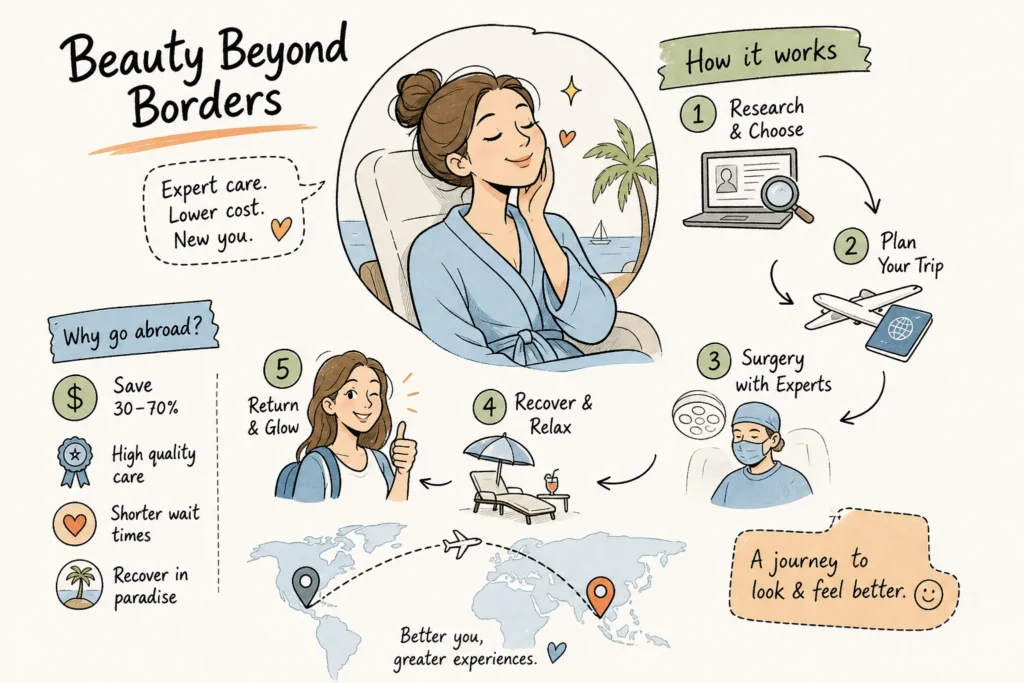
International patients should plan more than the surgery date. They need time for consultation, operation, early checks and safe return travel. Clothing, support garments, flight timing and help during the first days should be arranged before arrival. Patients should avoid trying to fit surgery into an unrealistically short trip.
Privacy and communication matter as well. Patients should know who to contact after they leave Izmir and which symptoms require urgent assessment, such as increasing pain, fever, marked swelling, redness, discharge, shortness of breath or sudden asymmetry.
Why this topic deserves careful content
Preserve breast augmentation is likely to become an important search topic because patients are increasingly looking for natural results, smaller scars, less tissue trauma and responsible implant planning. But the strongest content is not hype. It is clear explanation: who benefits, who does not, what the technique may improve and what risks remain.
Patients considering this approach can read more about Preserve breast augmentation in Turkey, breast augmentation, breast lift and breast asymmetry correction to compare options before consultation.
Frequently Asked Questions
Is Preserve breast augmentation suitable for everyone?
No. It is best considered for selected patients after anatomical assessment. Significant sagging, thin tissues, previous surgery or very large size goals may require a different plan.
Does Preserve breast augmentation remove implant risks?
No. It may be designed to reduce tissue disruption in suitable patients, but breast implants still carry risks and are not lifetime devices. Informed consent and follow-up remain essential.
Can Preserve breast augmentation look natural?
Yes, when implant choice and surgical planning match the patient’s anatomy. Natural results depend on proportion, tissue quality and restraint as much as technique.
Book a Consultation
It’s easy and free!