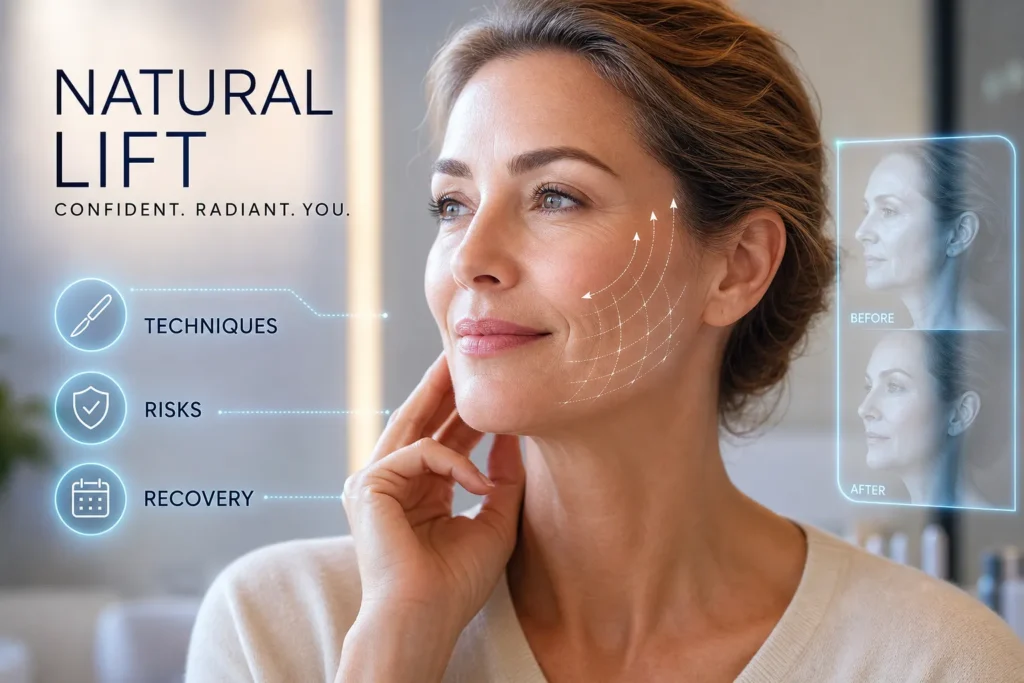
A clear guide for international patients considering facelift surgery in Turkey, covering candidacy, techniques, recovery, risks and travel planning in Izmir.
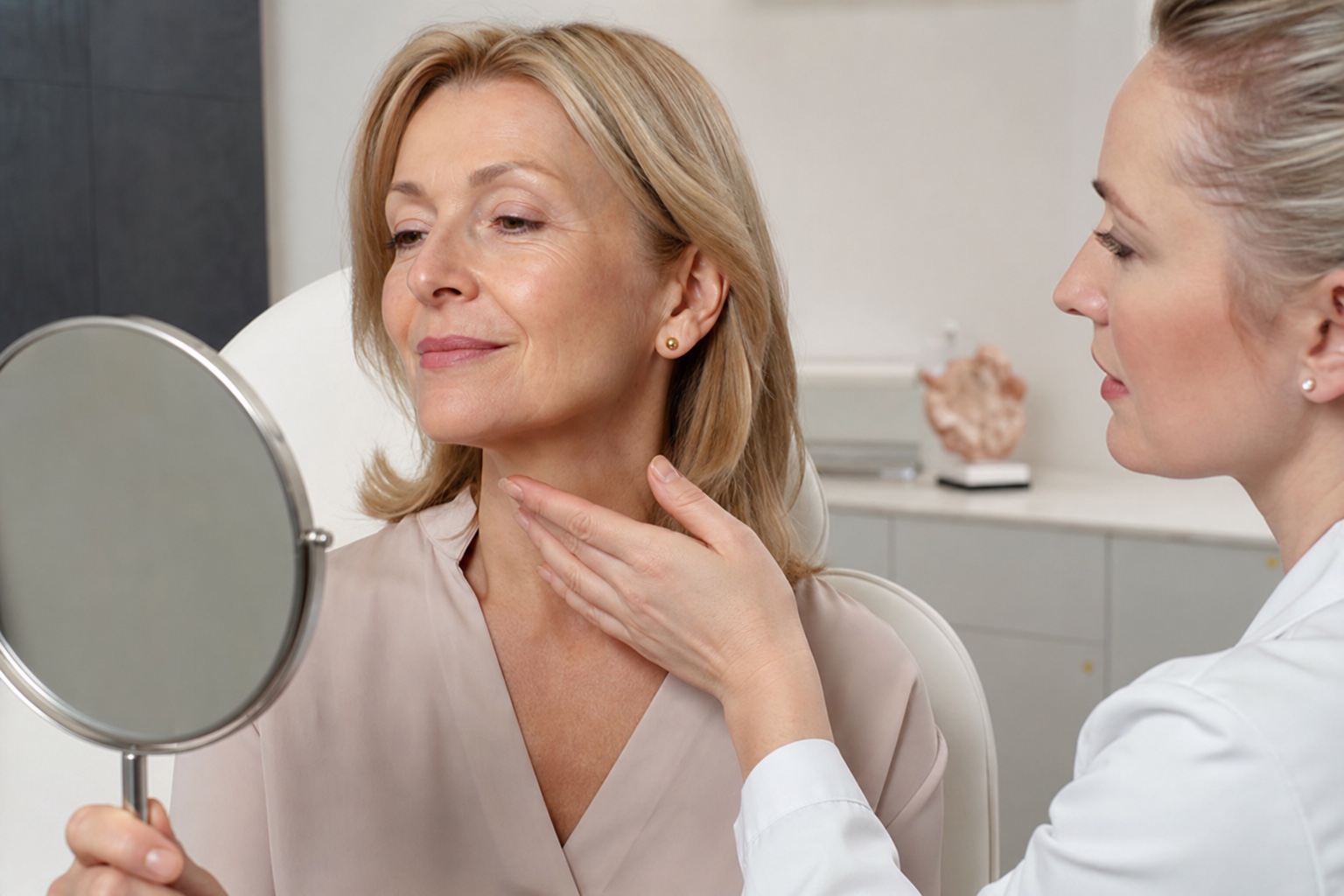
Facelift in Turkey can be a strong option for international patients who want natural facial rejuvenation, clear surgical planning and a safe recovery pathway. This guide explains what to consider before travelling for surgery, from candidacy and technique selection to recovery, risks and follow-up in Izmir.
Why patients travel for facelift surgery in Turkey
For many international patients, a facelift in Turkey is not only about price. It is about finding a surgeon who can plan facial rejuvenation with restraint, medical discipline and a clear understanding of how the face ages. The best facelift is not the one that makes a person look different. It is the one that restores definition, softens heaviness and keeps the patient recognisably themselves.
Prof. Dr. Ufuk Bilkay sees facelift planning as part of a wider facial analysis. The cheeks, jawline, neck, eyelids, brow position, skin quality and previous treatments all influence the plan. A patient who has early jowling may need a different operation from someone with deeper neck laxity, previous filler, weight loss or significant skin redundancy.
What a facelift can and cannot change
A facelift can improve sagging in the lower face, jowls, jawline definition and selected areas of neck laxity when the neck is included in the surgical plan. Depending on the anatomy, it may be combined with a neck lift, eyelid surgery, brow lift, fat grafting or skin-quality treatments. The goal is structural rejuvenation, not skin tightening alone.
A facelift does not stop ageing, change the underlying personality of the face or replace good skin care. It also does not treat every fine line. Surface concerns such as pigmentation, texture and very fine wrinkles may require separate treatments. Patients who expect a pulled, perfectly smooth or filter-like face are usually better served by a slower consultation process before deciding on surgery.
Choosing the right facelift technique
There is no single best facelift for every patient. Terms such as mini facelift, SMAS facelift and deep plane facelift can be useful, but they are not magic labels. What matters is whether the technique matches the patient’s anatomy, tissue quality, ageing pattern and recovery limits.
A smaller lift may be suitable for selected patients with early laxity and good skin tone. More advanced facial ageing may require deeper structural work and neck correction. Prof. Bilkay’s approach is to explain the reason behind the technique rather than selling a fashionable name. A careful plan should define where the incisions sit, how the deeper tissues are supported, what will happen to the neck and whether additional procedures are truly necessary.
Who may be a suitable candidate?
Good candidates are generally healthy adults bothered by facial or neck laxity that cannot be corrected meaningfully with non-surgical treatments. They understand that surgery has a recovery period, scars and risks. They also have realistic expectations: improvement, not perfection.
Smoking, uncontrolled medical conditions, blood-thinning medication, significant weight instability and unrealistic goals may delay surgery or change the plan. Patients travelling from abroad should share medical history, previous operations, allergies, regular medication and clear photographs before arranging travel. Final decisions still require an in-person examination.
Consultation for international patients
The remote consultation is useful for early orientation. Patients can explain their concerns, send photographs and receive a preliminary view of whether facelift surgery may be appropriate. This is not the same as a guaranteed operation plan. Facial movement, skin thickness, scars, hairline, neck anatomy and general health must be assessed before surgery is confirmed.
International patients should ask practical questions: How long should I stay in Izmir? When are the early checks? When can I fly? Who should I contact after returning home? What symptoms are urgent? A good surgical journey is not only the operation; it is the planning around it.
Recovery timeline after facelift surgery
Early recovery often includes swelling, bruising, tightness, numbness and a feeling of heaviness. These are expected, but their degree varies. The International Society of Aesthetic Plastic Surgery notes that many patients return to light activities or work within 7 to 14 days, while swelling and bruising commonly improve over two to three weeks. Individual instructions from the surgeon always take priority.
Patients usually need to avoid strenuous activity, bending, alcohol, smoking and unnecessary heat exposure during early healing. Sleeping with the head elevated may help swelling. Final refinement takes longer than the social recovery period. Scars soften, numbness improves and tissues settle over months.
Risks and safety points
All facelift surgery carries risk. Possible complications include bleeding or haematoma, infection, delayed healing, visible or thick scars, asymmetry, skin loss, hairline changes, temporary or persistent numbness, nerve injury, contour irregularity and need for revision. Smoking increases healing problems and skin risk. This is one reason honest medical disclosure matters.
Patients should be cautious with clinics that promise scarless surgery, instant recovery or identical celebrity results. A responsible consultation includes benefits, limits and possible complications in plain language.
Planning travel to Izmir
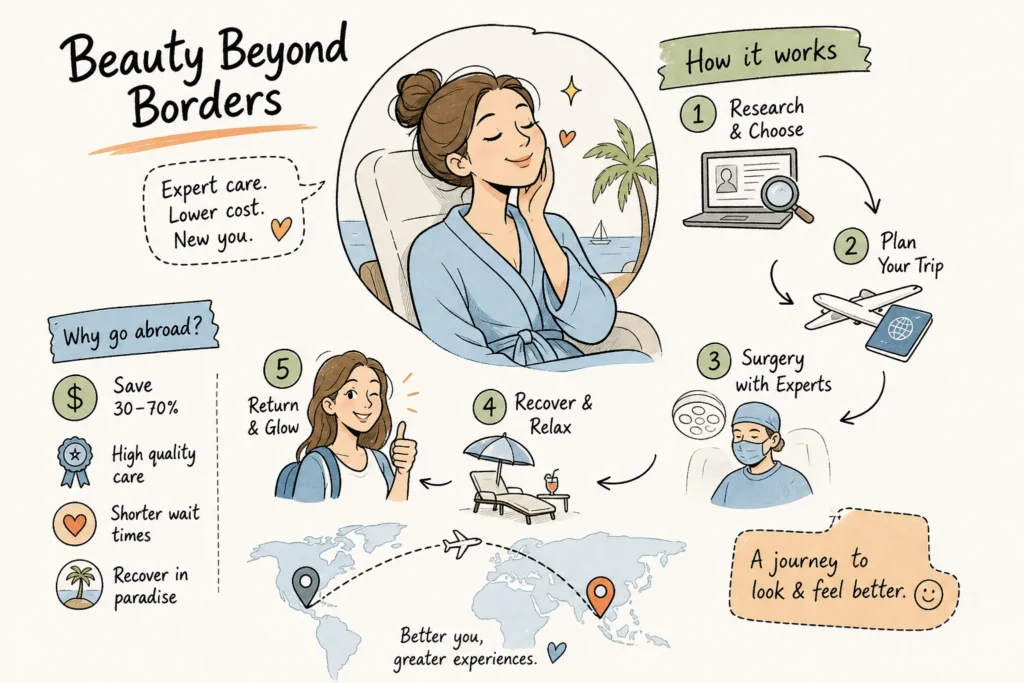
For a facelift in Turkey, patients should allow enough time for consultation, surgery, early recovery and postoperative checks. Travelling too quickly after surgery can make follow-up difficult and may increase anxiety if swelling or bruising changes during the first days. Prof. Bilkay’s team helps patients plan timing, accommodation and review appointments around the surgical schedule.
It is usually wise to travel with a companion for the first days after surgery. Patients should also avoid scheduling important social events immediately after returning home. A natural result needs time to settle, and privacy during recovery is often valuable.
Why surgical judgement matters
A facelift is a technical operation, but the result depends heavily on judgement. Too little correction may disappoint; too much can distort. Good planning respects the patient’s age, facial identity and anatomy. The aim is not to erase every sign of life from the face. It is to restore balance so the face looks rested, defined and natural.
Patients considering facial rejuvenation can also review related procedures such as facelift surgery, neck lift, eyelid surgery and brow lift to understand how facial procedures may work together.
Frequently Asked Questions
How long should I stay in Turkey after a facelift?
The exact stay depends on the operation and healing pattern, but international patients should plan enough time for early postoperative checks before flying. The clinic gives individual travel guidance after assessment.
Will a facelift look obvious?
It should not look obvious when properly planned. Natural facelift surgery supports deeper tissues and avoids excessive skin tension. Swelling can temporarily make the face look unusual early on, but this settles gradually.
Can I combine facelift with eyelid surgery or neck lift?
Yes, selected patients may benefit from combined procedures. Combination surgery is recommended only when each procedure has a clear indication and the overall plan remains safe.
Book a Consultation
It’s easy and free!